 Low GI Planner · Blog
Healthy Eating Made Simple: A Practical Guide
Healthy eating doesn't need complicated rules. Learn simple, practical habits for steadier energy, smarter snacks and easier meal planning, even on shifts.
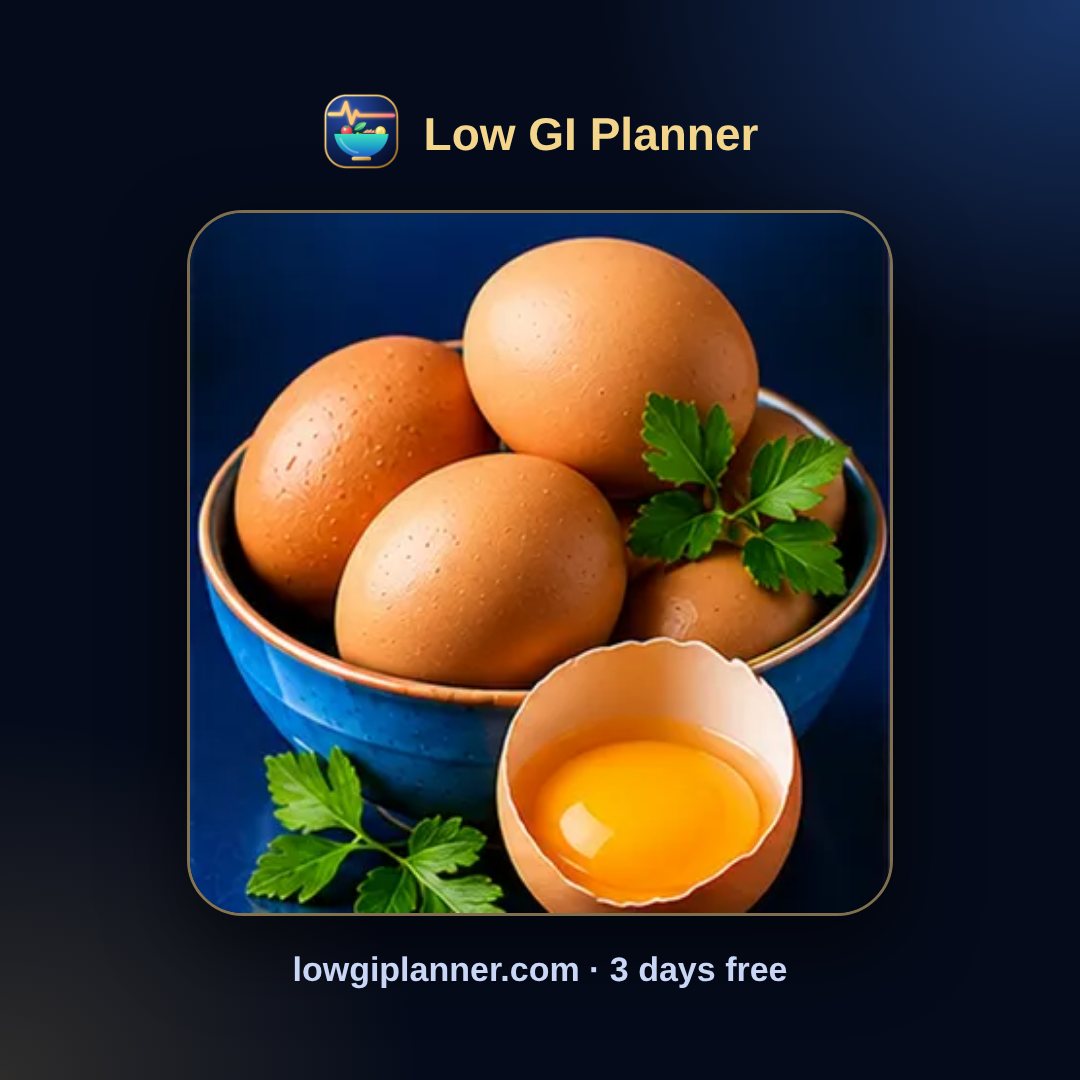
Ever felt wiped out at three in the afternoon, reached for a biscuit, and then wondered why you feel even worse an hour later? You are not alone. Healthy eating is often presented as a long list of forbidden foods, but in everyday life it is much simpler than that. It is about choosing foods that keep you fuller for longer, fitting them into your routine and building habits you can actually stick to.
What healthy eating really means
Healthy eating is not a single diet or a perfect plate. It is a pattern: plenty of vegetables and fruit, good sources of protein, wholegrain or minimally processed carbohydrates, healthy fats and enough water. Most people do not need to eliminate anything entirely. They need to make the everyday choices a little more consistent.
It also helps to remember that food is not only fuel. Meals are part of your social life, your culture and your mood. A sustainable approach leaves room for those things while still giving your body the nutrients it uses every day.
Why the type of carbohydrate matters
Carbohydrates are not the enemy. They are an important energy source, and many nutritious foods contain them, including beans, oats, fruit and wholegrains. What varies is how quickly they are digested and how much they raise blood glucose after a meal. This is where the glycaemic index (GI) is useful. It ranks carbohydrate-containing foods by how quickly they tend to raise blood sugar compared with a reference food.
Glycaemic load (GL) takes things a step further by considering the portion size as well. A food can have a high GI but a small GL if you only eat a little of it. In general, pairing carbohydrates with protein, fibre and healthy fats tends to slow digestion, which can help meals feel more balanced over the next few hours.
This is general information rather than a rule for everyone. The point is simply to notice how different foods make you feel and to build meals that support steady energy.
Simple swaps that make a difference
- Swap white bread for wholegrain or sourdough bread with seeds.
- Choose steel-cut or rolled oats instead of instant sugary cereals.
- Pick basmati or wild rice over sticky, quick-cooking white rice when you can.
- Add lentils, chickpeas or beans to soups, salads and wraps.
- Eat whole fruit rather than fruit juice, which is more concentrated in sugar and lacks fibre.
Build a balanced plate without counting everything
Most people find that a visual method is easier than tracking every gram. Try this simple structure for lunch or dinner:
- Half the plate: non-starchy vegetables such as peppers, leafy greens, broccoli, courgette or tomatoes.
- A quarter: lean or plant-based protein such as fish, eggs, chicken, tofu, beans or lentils.
- A quarter: a higher-fibre carbohydrate such as brown rice, quinoa, wholewheat pasta or sweet potato.
- A drizzle: a healthy fat such as olive oil, avocado, nuts or seeds.
This approach works across cuisines. A stir-fry with tofu, broccoli, peppers and brown rice follows the same logic as a salad with chickpeas, leafy greens, feta and a little olive oil.
Snacks that keep you going
Snacking is not a failure. Many people need something between meals, especially if there are long gaps. The trick is to choose snacks that combine fibre, protein or fat rather than refined sugar alone.
- An apple with a small handful of almonds
- Greek yoghurt with berries and chia seeds
- Hummus with carrot and cucumber sticks
- A boiled egg with a slice of wholegrain toast
- A small pot of unsweetened nuts and seeds mix
Keep a few of these within reach at work or in your bag. When hunger hits, having a sensible option ready makes it much easier to avoid a vending machine decision you regret later.
Healthy eating when your schedule is unpredictable
Night shifts, rotating rosters and long commutes make eating well far harder. Your body clock influences appetite and digestion, so the same meal can feel different at 2 p.m. and 2 a.m. Many shift workers find that the biggest challenge is not knowing what to eat, but when.
Practical ideas for shift workers
- Plan your main meals around your sleep window. Think about when you wake, when you start work and when you finish, then place meals at sensible intervals.
- Batch cook on your days off. Soups, chilli, grain bowls and roasted vegetables reheat well and save time on busy days.
- Pack a proper meal, not just snacks. A container with protein, vegetables and a complex carbohydrate is easier to digest than a handful of crisps.
- Keep water nearby. Thirst is sometimes mistaken for hunger, especially during long, dry shifts.
- Limit caffeine late in the shift. Strong coffee at the end of a night can make it harder to wind down afterwards, which affects your next meal and sleep.
Common mistakes to avoid
- Skipping breakfast entirely. If mornings are rushed, try yoghurt, a banana, or overnight oats you prepared the evening before.
- Going too low on food. Restriction often leads to intense cravings and overeating later.
- Relying on "healthy" labels. Granola, smoothies and flavoured yoghurts can contain a lot of added sugar, so check the ingredients.
- Trying to change everything at once. Small, repeatable changes usually last longer than a dramatic overhaul.
Turning good intentions into a routine
The most reliable way to eat well is to make the healthy option the easy one. Keep fruit on the counter, store cooked grains in the fridge, and write a simple shopping list before you go to the supermarket. Planning a few meals for the week removes many of the daily decisions that lead to takeaway orders.
It also helps to notice patterns. Do you feel flat after certain lunches? Do cravings peak on days you skipped a meal? Keeping a short note for a week can reveal useful clues without needing strict rules.
How Low GI Planner can help
If you want a little structure, Low GI Planner is designed to take the guesswork out of everyday eating. The app offers low-GI meal plans, including options that consider day, night and rotating shifts, plus GI and glycaemic-load scores for hundreds of foods and recipes. You can scan a meal with your phone, log food by voice and generate a grocery list in a few taps.
Why not see how it fits your week? Start your 3-day free trial of Low GI Planner today and build a simple, balanced eating routine you can keep up, one meal at a time.
General guidance, not medical advice. If you have a health condition, are pregnant or taking medication, speak with your doctor or a registered dietitian before changing your diet.
Start your 3-day free trial
General guidance only, not medical advice. Speak to your healthcare professional before changing your diet or medication.